Roof Replacement Manchester NH | Top Roofers for Asphalt & Metal Roofs

Roof Replacement Manchester NH | Top Roofers for Asphalt & Metal Roofs

Tips for Identifying and Fixing Roof Leaks with Manchester NH Roofing Experts

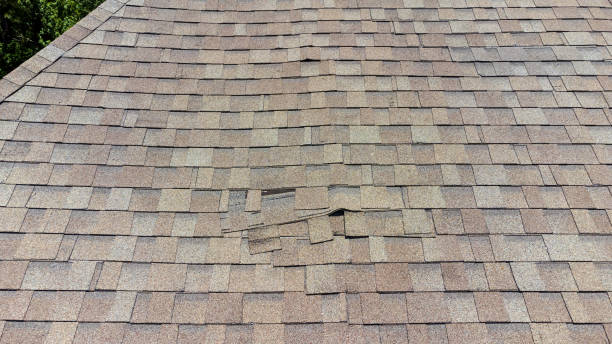
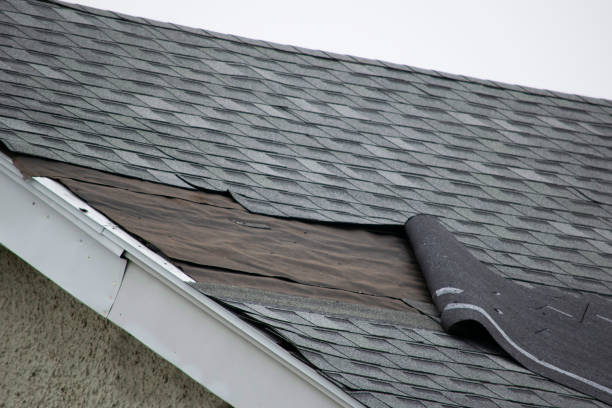
damaged roof shingles Roof Shingles damaged and in need of repair roofing stock pictures, royalty-free photos & images

Signs of Water Damage from a Roof Leak

  • Stains on ceilings or walls: Look for yellow, brown, or dark discoloration in these areas.
  • Water pooling: Noticeable puddles of water in your attic or along interior walls could point to an active leak.
  • Peeling paint or wallpaper: Excess moisture can cause paint and wallpaper to bubble, peel, or warp.
  • Musty odors: A persistent, damp smell often accompanies hidden water damage due to mold growth.
  • Sagging ceilings: Moisture buildup may weaken drywall or plaster over time, causing visible sagging.

Steps to Address Water Damage

  1. Inspect your attic during daylight hours; light passing through cracks may indicate the location of the problem area.
  2. If accessible, check your roof for missing shingles, damaged flashing, or clogged gutters contributing to water intrusion.
  3. Use tarps as a temporary measure over damaged areas until professional repairs can be performed.
  4. Clear debris from gutters and downspouts so that rainwater flows freely away from your home.
  5. Examine insulation and wood framing for signs of saturation or rot.
  6. Check for mold growth in areas where moisture has been present for extended periods.
  7. Use fans and dehumidifiers to remove excess moisture from carpets, walls, and flooring.
  8. Discard items that cannot be fully dried (e.g., wet insulation) as they may harbor mold spores.
  9. Replace damaged materials such as drywall or ceiling panels.
  10. Consult with roofing professionals regarding long-term solutions like patching leaks or complete roof replacement.

Preventative Measures Against Future Roof Leaks

  • Schedule regular inspections by licensed roofing contractors (ideally twice per year).
  • Trim overhanging tree branches near your roofline that could cause physical damage during storms.
  • Keep gutters clean and functional to allow proper drainage during heavy rainfalls.
  • Upgrade attic ventilation systems if needed; poor airflow contributes to moisture accumulation beneath roofing materials.
Inspection Checklist Action Needed Frequency
Roof Surface Check for cracks/missing shingles Twice yearly
Gutters & Downspouts Remove debris/blockages Quarterly
Attic Ventilation Ensure proper airflow Yearly

By identifying potential issues quickly and taking timely action when leaks occur, homeowners can significantly reduce risks posed by water infiltration while ensuring their property remains safe and well-maintained over time.

How a Roofing Contractor Manchester NH Can Help Prevent Roof Water Damage

Understanding the causes of roof water damage is crucial for homeowners who want to protect their property from costly repairs. By identifying common issues and taking preventive measures, you can extend the lifespan of your roof while safeguarding your home from potential structural problems. Below, we explore the primary causes of roof water damage and practical ways to prevent them.

Common Causes of Roof Water Damage

  1. When gutters are filled with leaves, debris, or dirt, water cannot flow away properly. This results in overflow that can seep into roofing materials or damage exterior walls.
  2. Regular cleaning (at least twice a year) ensures gutters function efficiently during heavy rains.
  3. Improper installation techniques or low-quality materials can lead to gaps or weak spots where water can penetrate.
  4. Hiring certified roofing professionals ensures your roof is installed correctly with durable materials.
  5. Flashing, which seals roof joints like chimneys and skylights, may corrode or deteriorate over time.
  6. Periodic inspections help identify loose or damaged flashing before leaks occur.
  7. Strong winds, hailstorms, or wear-and-tear over time can cause shingles to loosen or fall off entirely.
  8. Replace missing shingles immediately to maintain a watertight barrier.
  9. Ice dams form when snow on the roof melts unevenly due to poor attic insulation and refreezes near the edges.
  10. Adding proper insulation and ventilation in your attic prevents uneven temperatures that contribute to ice dam formation.
  11. Flat roofs are prone to collecting standing water if drainage systems fail or if there are depressions in the surface.
  12. Inspect flat roofs regularly for pooling water and ensure proper slope grading during construction.

Steps for Prevention

  • Annual Roof Inspections: Hire a professional roofer at least once a year to assess the condition of your roof and address minor issues before they escalate.
  • Keep Vegetation Trimmed: Overhanging tree branches can scratch shingles or deposit debris onto your roof, contributing to clogs and moisture retention.
  • Seal Vulnerable Areas: Apply waterproof sealant around chimneys, vents, skylights, and any other areas prone to leaks.
  • Install Gutter Guards: These devices minimize debris buildup in gutters while allowing rainwater to flow freely.

Table: Key Maintenance Activities vs Frequency

Maintenance Activity Frequency Notes
Gutter cleaning Twice annually Spring and fall are ideal times for cleaning gutters
Roof inspection Annually Engage professionals for a thorough assessment
Shingle replacement As needed Inspect after severe weather events
Tree trimming Annually Reduces potential damage from falling branches

Benefits of Preventive Measures

  • Reduced repair costs from unexpected leaks
  • Improved energy efficiency by maintaining proper insulation
  • Enhanced property value due to well-maintained roofing systems

By recognizing these common causes of water damage early on and implementing preventive strategies, homeowners can ensure their roofs remain functional and resilient for years ahead.

Preventing Roof Water Damage: Tips from a Roofer Manchester NH

Roof water damage is a common issue faced by homeowners, yet understanding its causes and prevention strategies can save significant time, money, and stress. Identifying the root causes of roof water damage is key to protecting your home from potential structural issues, mold growth, and other costly consequences.

Common Causes of Roof Water Damage

  1. When gutters are filled with debris such as leaves or dirt, water cannot flow away from the roof properly. This can lead to pooling around the edges of your roof and cause water to seep into vulnerable areas over time.
  2. Shingles act as a protective layer on your roof. If they are cracked, curled, or missing entirely due to weather or aging materials, rainwater can penetrate into the underlying layers of the roofing system.
  3. Flashing is used to seal joints in certain areas of a roof, such as around chimneys or skylights. Over time, flashing may corrode, crack, or loosen, creating an entry point for water.
  4. During winter months in colder climates, ice dams can form when snow melts and refreezes near the edge of a roof. This prevents proper drainage and forces water back under shingles.
  5. Neglecting routine maintenance such as inspections or minor repairs can allow small issues to develop into larger ones over time.
Cause Potential Impact
Clogged gutters Water pooling on roof; seepage through weak spots
Damaged shingles Direct exposure of roof deck to moisture
Flashing failures Water entry through vulnerable seals
Ice dams Water forced beneath shingles
Poor maintenance Escalated minor issues causing major damage

Preventative Measures to Avoid Roof Water Damage

  • Regular Inspections: Inspect your roof twice a year (spring and fall) for visible signs of damage such as missing shingles or debris accumulation.
  • Gutter Cleaning: Clear gutters regularly to prevent blockages from leaves or dirt buildup.
  • Trim Overhanging Branches: Trees near your home can drop leaves onto your roof or scratch shingles during storms.
  • Seal Vulnerable Areas: Ensure flashing around chimneys, vents, skylights, and other protrusions is secure and in good condition.
  • Improve Attic Ventilation: A well-ventilated attic regulates temperature better during winter months, reducing the risk of ice dams.
  • Prompt Repairs: Address any small issues immediately before they escalate into larger problems.

Why Proactive Measures Matter

Proactively addressing potential causes reduces repair costs in the long run while also increasing energy efficiency within your home. A properly maintained roofing system not only keeps moisture out but also helps regulate interior temperatures by maximizing insulation effectiveness.

Taking these precautions ensures that you’re safeguarding both your property value and peace of mind against unnecessary stresses associated with preventable damage caused by water intrusion through your roofing system

How to Find and Fix a Roof Leak in the Attic

Roof leaks can cause significant damage to your home if left unchecked, and catching them early is essential to minimizing repair costs. The attic is often the first place where signs of a leak become visible. Below, we outline how to identify and address roof leaks in the attic effectively.

Identifying Roof Leak Signs During Roof Installation Manchester NH

  • Water Stains: Yellow or brown discoloration on insulation, rafters, or ceiling boards.
  • Damp Insulation: Wet or soggy insulation materials that could indicate moisture intrusion.
  • Mold or Mildew Growth: Black or green patches that suggest prolonged exposure to moisture.
  • Dripping Water: Obvious dripping during rainstorms or soon after precipitation is an immediate red flag.
  • Peeling Paint or Wallpaper Below Roofline: This could indicate water saturation moving down from the attic.

Roofing contractor lay asphalt shingles tiles on house rooftop. Asphalt shingles roofing construction, repair, installation, replace, renovation. Roofing contractor lay asphalt shingles tiles on house rooftop. Asphalt shingles roofing construction, repair, installation, replace, renovation. roofing stock pictures, royalty-free photos & images

Essential Tools for Roof Replacements Manchester NH and Fixing Leaks

Tool/Material Purpose
Flashlight Locating darkened wet spots clearly
Ladder Accessing high points near the rafters
Roofing Nails & Hammer Securing temporary fixes
Roofing Sealant Sealing small cracks and gaps
Tarp Providing immediate protection

Steps to Find a Roof Leak in Your Attic

  1. Inspect During Rainy Weather
    The best time to pinpoint active leaks is when it’s raining outside. Use a flashlight to look for glistening water trails running along beams or dripping onto insulation.
  2. Trace Water Trails
    Water often travels along trusses, nails, or support beams before pooling in one area. Follow these trails upward toward their origin for clues about where the leak begins.
  3. Check for Exterior Light Entry
    Turn off all attic lights during daylight hours and look for tiny pinholes of sunlight coming through your roof—these are often locations where water can enter.
  4. Examine Roof Penetrations
    Focus on areas around chimneys, vents, skylights, and valleys—any penetrations through the roof are common sources of leakage.
  5. Mark Problem Areas
    Once you locate potential issues, mark them with chalk so you can revisit them during repairs.

Fixing Minor Leaks from Inside the Attic

  1. Apply roofing sealant directly over small cracks and holes.
  2. Secure sheet metal flashing over holes using roofing nails.
  3. Seal edges with heavy-duty roofing caulk.
  4. Tighten any loose nails around affected areas using a hammer while ensuring no further punctures occur.

Temporary Solutions While Waiting for Professional Help

  • Place a waterproof tarp over damaged sections from outside if conditions are safe.
  • Inside your home, use buckets beneath active drips to prevent further damage below.
  • Relocate sensitive items like electronics or furniture away from affected spaces.

Addressing roof leaks effectively requires prompt action combined with careful observation within your attic space. Regular inspections can prevent long-term issues such as structural damage or mold growth while keeping repair costs manageable over time.

What You Need to Know About Water Damage During Roof Replacement

Water damage during a roof replacement can lead to significant complications if not properly managed. Whether caused by unexpected weather changes or inadequate preparation, it is crucial for homeowners and contractors to take proactive steps to minimize risks. Below, we delve into the key considerations regarding water damage during roof replacement and how it can be effectively addressed.

Common Causes of Water Damage During Roof Replacement

  1. Sudden Rainfall: Weather conditions can change unexpectedly during a roof replacement project, leaving your home exposed before the new roofing materials are installed.
  2. Improper Tarping or Covering: Failing to adequately protect open sections of the roof can allow rainwater or debris to enter your home.
  3. Damaged Underlayment: If the old underlayment is removed and not replaced promptly, moisture can seep in through gaps in the roofing structure.
  4. Faulty Workmanship: Poor installation techniques or oversight by roofing contractors may create opportunities for leaks during the process.

Steps to Minimize Water Damage Risks

  • Monitor Weather Forecasts: Always check weather reports before scheduling a roof replacement project. Avoid starting work if rain or storms are expected within the timeframe of the job.
  • Use Waterproof Tarps: Cover exposed areas of your roof with high-quality tarps if inclement weather arises unexpectedly during construction.
  • Install Temporary Barriers: Utilize temporary barriers such as plastic sheeting or plywood to reinforce vulnerable areas inside your home.
  • Ensure Proper Ventilation: Good ventilation reduces condensation buildup inside your attic, which could cause additional moisture issues during installation.

What To Do If Water Damage Occurs

Type of Damage Immediate Action Long-Term Solution
Wet Insulation Remove wet insulation immediately Replace with new insulation post-repair
Ceiling Stains Identify source; stop additional leakage Repaint ceiling after drying
Mold Growth Dry area thoroughly; contact mold experts Improve ventilation; install mold-resistant materials

When dealing with any level of water damage, prompt action is key to preventing further deterioration.

Communication With Your Roofing Contractor

  • Plans for protecting exposed areas in case of bad weather
  • Materials being used, including their resistance to moisture
  • Contingency measures if unexpected issues arise

By ensuring open communication about these topics with your contractor, you are better equipped to handle potential challenges.

Water damage doesn’t have to derail your plans for a successful roof replacement project if proper measures are taken before and during construction efforts.

What You Need to Know About Water Damage During Roof Replacement

Roof replacement is a significant home improvement project, and while it can resolve longstanding roofing issues, it also comes with risks if not managed properly. One of the most common concerns during roof replacement is water damage. Understanding how water damage can occur during this process and how to mitigate the risks is essential for homeowners.

Potential Causes of Water Damage During Roof Replacement

  • Unpredictable Weather Conditions
    Sudden rain or storms can expose your home to moisture if the roofing materials are not adequately covered during replacement.
  • Improperly Installed Tarps or Covers
    If tarps or protective covers are not secured correctly, water may seep into vulnerable areas of your home.
  • Delays in Work Progress
    Extended periods of exposure caused by delays in the project can leave your home open to rain or snow, increasing the likelihood of water infiltration.
  • Roof Deck Issues
    Pre-existing issues with the roof deck, such as rotting wood or structural weaknesses, may worsen when exposed to moisture during replacement work.

How to Prevent Water Damage During Roof Replacement

  1. Monitor the Weather Forecast
    Schedule your roof replacement during a period with minimal rainfall risk. Work closely with your roofing contractor to determine an optimal timeline for the project.
  2. Use Quality Protective Materials
    Ensure that contractors use high-quality tarps or waterproof covers to shield exposed sections of the roof from unexpected weather changes. Proper application and secure fastening are crucial for effectiveness.
  3. Assess & Repair Pre-existing Roof Damage
    Before starting a roof replacement, inspect and address any structural issues such as rot or mold in the decking or attic that could worsen with exposure to moisture.
  4. Choose an Experienced Roofing Contractor
    Hiring a reputable professional is vital for ensuring proper execution and avoiding unnecessary delays that could leave your property vulnerable.
  5. On-Site Drainage Management
    Ensure gutters and downspouts remain clear and functional throughout construction so that water runoff does not pool around your home’s foundation.

Key Signs of Water Damage Post-Roof Replacement

Indicator Possible Cause Recommended Action
Stains on ceilings Moisture seeped through attic insulation Inspect roofing work immediately
Peeling paint on walls Humidity increase due to leaks Consult contractor
Mold growth Prolonged damp conditions Conduct mold remediation

Final Considerations

Water damage is preventable when proper preparation and care are taken during a roof replacement project. By working with skilled professionals, monitoring progress closely, and addressing pre-existing vulnerabilities upfront, you can safeguard your home while enhancing its durability through a successful roofing upgrade.


Everything You Need to Know About Roof Replacements Manchester NH and Their Benefits

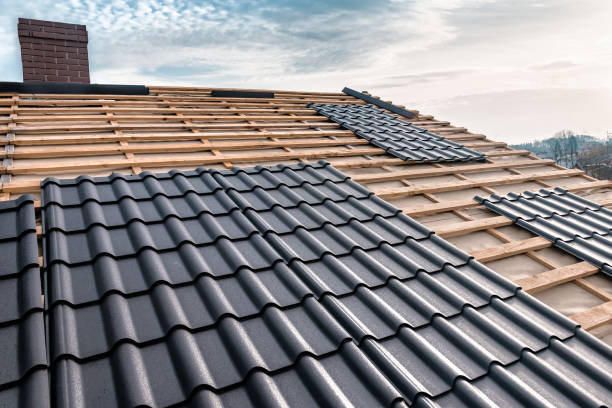
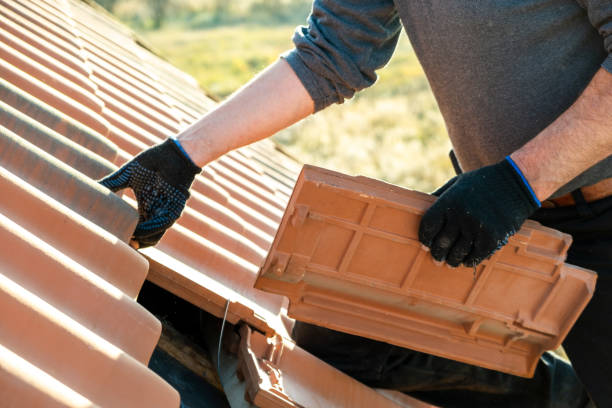
metal tile on the roof Metal tile on the roof. Roof repairing roofing stock pictures, royalty-free photos & images

Pitched roofs are among the most common roofing systems used in residential and commercial buildings. Their sloped design not only offers aesthetic appeal but also provides practical advantages that make them a popular choice for homeowners, architects, and roofers alike. Below, we explore the essential aspects of pitched roofs, their benefits, and why they remain a staple in modern construction.

What is a Pitched Roof?

A pitched roof features two or more sloping sides that meet at the top ridge. The slope angle can vary depending on the architectural style, climate conditions, and functional requirements. The steep incline of these roofs is designed to enhance water drainage and improve durability over time.

Benefits of Pitched Roofs

  • Enhanced Water Drainage
    The sloped design allows rainwater, snow, or debris to slide off easily, preventing water pooling that could lead to leaks or structural damage.
  • Energy Efficiency
    Pitched roofs can be insulated more effectively than flat roofs. This helps regulate indoor temperatures and reduces heating and cooling costs.
  • Durability
    Due to their slope, pitched roofs are more resilient against harsh weather conditions like heavy rainstorms or snowfall.
  • Increased Longevity
    Compared to flat roofing systems, pitched roofs are known for their longer lifespan when constructed with quality materials.
  • Aesthetic Appeal
    A pitched roof adds character and charm to a building’s exterior while offering diverse design possibilities.

Common Materials Used for Pitched Roofs

Material Durability Maintenance Required Typical Lifespan
Asphalt Shingles Moderate Low 20–30 years
Metal Roofing High Low 40–70 years
Clay Tiles High Medium 50–100 years
Slate Very High Low 75+ years
Wood Shakes Moderate High 20–40 years

Why Choose a Pitched Roof?

  • Adaptability Across Climates: Whether dealing with heavy snowfall or high rainfall areas, pitched roofs perform well in diverse environments.
  • Storage Space: Attics created by the sloping design provide extra storage space or room for potential loft conversions.
  • Resale Value: Homes with well-designed pitched roofs tend to have higher resale value due to their durability and curb appeal.

Maintenance Tips for Optimal Performance

  1. Inspect your roof regularly for damaged or missing shingles/tiles.
  2. Clean gutters and downspouts frequently to prevent clogs caused by leaves or debris accumulation.
  3. Address minor issues promptly before they escalate into larger problems.
  4. Schedule professional inspections after extreme weather events such as storms or hail.

By understanding the importance of pitched roofs and maintaining them properly through routine care, property owners can ensure their investment remains secure while enjoying functional advantages for decades ahead.

Essential Elements for Durable and Reliable Manchester NH Roofing

A pitched roof is not only an architectural feature but also a critical element in ensuring a building’s overall durability and reliability. To construct an efficient pitched roof, understanding its key components is essential. Each element plays a vital role in the roof’s structural integrity, water resistance, and energy efficiency.

1. Roof Structure: The Foundation of Stability

The structure of a pitched roof forms the backbone of its design, providing support and shape:
Trusses: Pre-fabricated triangular frameworks that distribute weight evenly across walls. Trusses are cost-effective and easy to install.
Rafters: Timber or steel beams that slope from the ridge down to the eaves, providing support for the roof covering materials.
Purlins: Horizontal beams placed between rafters for additional support in larger or more complex roofs.

2. Roof Covering: Protection Against Weather

The external covering is crucial for shielding the building from harsh environmental conditions such as rain, wind, snow, and sunlight. Common materials include:
Clay or Concrete Tiles: Known for their durability and traditional aesthetic appeal.
Metal Sheets (e.g., Steel or Aluminum): Lightweight yet highly resistant to corrosion. Ideal for modern designs or areas prone to heavy rainfall.
Asphalt Shingles: Affordable and versatile with various color options available.

Each material has its own benefits depending on climate conditions, budget constraints, and design preferences.

3. Insulation: Enhancing Energy Efficiency

Proper insulation ensures that heat loss is minimized during winter months while keeping interiors cool in summer:
Fiberglass Insulation: Cost-effective with excellent thermal properties; commonly installed between rafters or joists.
Rigid Foam Boards: Provide high thermal resistance in a compact form factor; ideal for tight spaces or retrofitting projects.

4. Underlayment: A Secondary Barrier Against Moisture

Beneath the primary roofing material lies underlayment—a critical secondary layer that provides additional moisture protection:
Felt Paper (Bitumen-Based): Traditional material that resists water penetration effectively but may degrade over time if exposed to prolonged moisture exposure. – Synthetic Underlayments: Modern alternatives offering superior durability along with enhanced tear resistance compared traditional felt types

| Type Comparison | Durability Level | Cost Range ($USD/ SQ ft ) | Classic Felt Medium Affordable -Synthetic Higher upfront investment—more long term returns overall cost effectiveness factoring maintenance frequency reductions anticipatedly

Key Components of a Durable Pitched Roof by a Roofing Contractor Manchester NH

A pitched roof is more than just a cover for a building—it is a carefully engineered structure designed to provide durability, functionality, and aesthetics. Understanding the key components that contribute to the longevity and reliability of a pitched roof is essential for contractors, homeowners, and architects alike. Below is an in-depth exploration of these crucial elements.

1. Roof Structure

The structural framework forms the backbone of any pitched roof. The primary components include:
Rafters: These angled beams support the roof deck and distribute weight evenly to load-bearing walls.
Trusses: Pre-fabricated triangular units that offer both strength and ease of installation.
Purlins: Horizontal supports that provide additional strength by bracing rafters or trusses.

Each component ensures stability while allowing the roof to maintain its pitch angle over time.

2. Roofing Material

The choice of roofing material has a significant impact on durability, energy efficiency, and maintenance requirements. Popular materials include:
Asphalt Shingles: Affordable, low-maintenance, and widely used in residential construction.
Clay or Concrete Tiles: Known for their longevity and resistance to extreme weather conditions.
Metal Roofing: Lightweight yet durable; ideal for areas prone to heavy snow or rain.
Slate Tiles: A premium option offering unparalleled durability with proper care.

Material Type Durability Maintenance Required Cost Ideal For
Asphalt Shingles Moderate (20-30 years) Low Affordable Residential homes
Clay/Concrete Tiles High (50+ years) Moderate Expensive Areas with harsh climates
Metal Roofing High (40+ years) Low Moderate Regions with heavy snow
Slate Tiles Very High (100+ years) Low Very Expensive Historic or luxury buildings

3. Insulation and Ventilation

Proper insulation and ventilation are critical for maintaining energy efficiency while protecting the roof from premature deterioration caused by moisture buildup or temperature fluctuations:
Roof Insulation: Prevents heat loss in winter and keeps interiors cool during summer. – Common options include fiberglass batts, spray foam insulation, or rigid foam boards. – Ventilation Systems: – Ridge vents – Soffit vents – Gable vents

Together, these systems regulate airflow within the attic space, reducing condensation risk while improving energy efficiency.

4. Waterproofing Layers

Waterproofing layers act as barriers against moisture penetration: – Underlayment: A waterproof barrier installed between the roof deck and outer roofing material. – Felt paper or synthetic underlayment are common choices. – Flashing: – Installed around roof penetrations like chimneys, skylights, or vents to prevent leaks. – Made from metal materials like aluminum or galvanized steel.

Well-installed waterproofing layers significantly enhance the lifespan of your pitched roof.

5. Guttering System

A reliable gutter system complements any pitched roof by directing rainwater away from the building’s foundation: 1. Gutters collect water along the eaves. 2. Downspouts channel water safely away from walls and foundations.

This system minimizes erosion risks while protecting structural integrity.

By understanding these key components—structural elements, materials, insulation/ventilation systems, waterproofing layers, and gutters—you can ensure that your pitched roof stands up to environmental challenges while delivering long-term value.

roof repair construction worker roofer man roofing security rope roofer construction roof maintenance rope security worker roofing stock pictures, royalty-free photos & images

How a Roofer Manchester NH Can Help Protect Your Building with Pitched Roofs

Pitched roofs are a staple in modern and traditional architecture, not just for their aesthetic appeal but also for the essential protection they provide to buildings. This article delves into how these sloped roofing systems safeguard structures from various external elements while enhancing durability and resilience.

Protection Against Harsh Weather Conditions

  • Rain and Snow: The sloped surface allows rainwater and snow to run off easily, preventing the accumulation of moisture that could lead to leaks or structural damage.
  • Wind Resistance: Properly constructed pitched roofs can handle high winds better than flat roofs due to their aerodynamic shape. They help reduce wind pressure by deflecting it over the structure.
  • Sun Protection: Pitched roofs often include materials with high thermal resistance, reducing heat penetration and keeping indoor temperatures regulated during hot weather.

Preventing Water Damage and Moisture Infiltration

  • Efficient Drainage Systems: Gutters, downspouts, and flashing work together with the roof slope to guide water away from the foundation.
  • Overlapping Layers: The overlapping method used in tiles or shingles prevents water from seeping into vulnerable cracks or gaps.

Comparison Table: Flat Roof vs. Pitched Roof Water Management

Feature Flat Roof Pitched Roof
Water Drainage Limited; prone to pooling Excellent due to slope
Maintenance Frequency Frequent Low
Lifespan Shorter Longer

Protecting Against Debris Accumulation

Pitched roofs are particularly effective at minimizing debris buildup such as leaves, branches, or dirt. Their angle discourages debris from settling on the surface, ensuring that gutters remain unobstructed and reducing maintenance needs.

Thermal Insulation Benefits

  • Heat loss during colder months by trapping warm air inside
  • Overheating during summer by reflecting sunlight off specialized roofing materials

This thermal efficiency not only ensures occupant comfort but also reduces energy costs associated with heating and cooling.

Longevity Through Material Durability

  • Clay Tiles: Resistant to fire and extreme temperatures
  • Metal Sheets: Strong against wind damage and corrosion
  • Asphalt Shingles: Affordable yet effective in water resistance

These materials contribute to a longer lifespan for the roof itself as well as the overall structure.

Fire Resistance Features

Certain pitched roofing designs incorporate fire-resistant coatings or non-combustible materials like slate or tiles. This feature reduces risks associated with wildfires or accidents, ensuring enhanced safety for occupants.

In summary, pitched roofs play a critical role in shielding buildings from environmental challenges while providing energy efficiency and long-term durability. Their functional design ensures optimal protection across various climates and scenarios.

Top Considerations for Roof Installation Manchester NH: Best Pitched Roof Design Applications

Pitched roofs are a versatile and functional architectural feature that have stood the test of time. Their sloped design not only enhances the aesthetic appeal of a building but also provides practical benefits, making them suitable for various applications. Below, we delve into some of the best uses for pitched roof designs and how they excel in different scenarios.

Residential Homes

  • Classic Aesthetic Appeal: Pitched roofs are a common choice for residential properties because they offer timeless charm and character to homes.
  • Effective Rainwater Drainage: Their slope allows rainwater to drain efficiently, reducing the risk of water pooling or leaks.
  • Energy Efficiency: The space beneath a pitched roof can often be used for insulation, improving thermal efficiency in cold climates.
  • Additional Space: Many homeowners utilize pitched roof areas as attics or lofts, providing extra storage or even additional living space.

Commercial Buildings

Pitched roofs are not limited to residential use; they serve well in commercial settings too.

  • Retail Stores: Retail spaces often use pitched roofs to make their buildings more visually appealing to potential customers.
  • Warehouses: In warehouses, pitched roofs can provide ample headroom and accommodate ventilation systems.
  • Religious Structures: Churches and temples often incorporate steeply pitched roof designs as part of their iconic architecture.
Type of Building Benefits of Pitched Roofs
Residential Homes Enhances curb appeal, improves energy efficiency, and adds storage/usable space
Retail Stores Creates an attractive design that draws customer attention
Warehouses Provides headroom while allowing better air circulation
Religious Structures Supports traditional architectural styles with functionality

Agricultural Buildings

In rural areas or agricultural setups, pitched roofs are highly valued due to their durability and practicality.

  • Barns and Sheds: With excellent water runoff capabilities, these roofs protect stored crops and equipment from moisture damage.
  • Farmhouses: They add both utility and design appeal to traditional farmhouses.
  • Animal Shelters: Sloped designs help keep livestock dry by preventing rainwater seepage into animal enclosures.

Areas Prone to Severe Weather

Wind Resistance

The aerodynamic shape of a properly designed pitched roof minimizes wind resistance compared to flat roofs. This reduces the likelihood of damage during storms or hurricanes.

Snow Load Management

In snowy regions, steeply sloped pitches prevent snow accumulation by encouraging it to slide off instead of building up. This helps avoid excessive pressure on the roofing structure.

Modern Applications

  1. Certain pitched roof structures can support green roofing systems with vegetation layers.
  2. These installations improve insulation while promoting environmental benefits like reducing urban heat islands.
  3. Pitched roofs provide an optimal angle for mounting solar panels.
  4. They maximize sunlight exposure throughout the day, boosting energy production efficiency (especially with south-facing slopes).
  5. Non-traditional buildings such as creative office spaces now incorporate hybrid designs combining flat sections with angled ones for added visual interest.

By considering factors like climate conditions, purpose-driven functionality requirements, and aesthetic preferences tailored toward specific applications—pitched roof designs stand out as highly adaptable solutions across various industries globally.

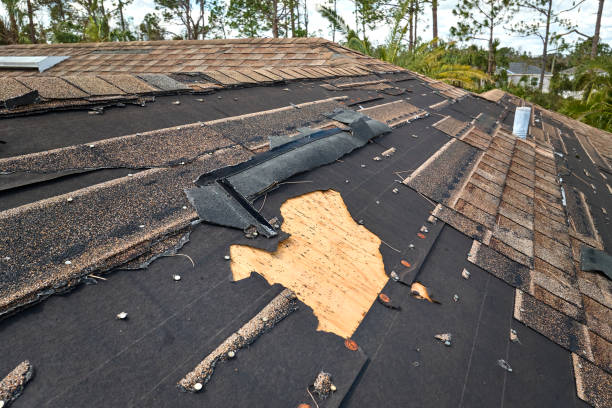
Damaged house roof with missing shingles after hurricane Ian in Florida. Consequences of natural disaster Damaged house roof with missing shingles after hurricane Ian in Florida. Consequences of natural disaster. roofing stock pictures, royalty-free photos & images

How Building Regulations Impact the Design and Construction of Pitched Roofs

Building regulations play a critical role in shaping the design and construction of pitched roofs. These regulations are designed to ensure structural integrity, safety, energy efficiency, and environmental sustainability. It is essential for roofers to have an in-depth understanding of these requirements to deliver high-quality work while remaining compliant with legal standards.

Structural Stability Requirements

  • Roof pitch angles: Regulations may specify minimum or maximum pitch angles based on regional climate conditions.
  • Load-bearing capacity: Timber rafters or trusses must meet specific load-bearing standards.
  • Roof bracing: Proper bracing is required to prevent roof collapse during extreme weather events.

Proper adherence ensures that the roof remains safe over its lifespan and minimizes risks associated with structural failure.

Fire Safety Standards

  • Fire-retardant roofing materials: Tiles or shingles should have a fire-resistance rating suitable for the location.
  • Fire breaks and barriers: Fire-resistant partitions may be required between adjoining properties or within loft spaces.
  • Ventilation systems: Roofing ventilation should not compromise fire safety measures.

These provisions are intended to reduce the spread of fire and protect occupants’ lives and property.

Insulation and Energy Efficiency

  • U-value targets: The U-value (thermal transmittance) specifies how well a roof prevents heat transfer. Roofs should meet specific U-value thresholds for better energy efficiency.
  • Sustainable materials: Eco-friendly insulation options like sheep wool or recycled materials may align with regulatory goals.
  • Ventilation requirements: While insulating a pitched roof, ensuring adequate ventilation prevents condensation issues that can lead to timber decay.

Meeting these requirements helps property owners save on energy costs while reducing their carbon footprint.

Drainage and Weatherproofing

Component Regulatory Focus
Gutters Minimum sizes based on expected rainfall volume
Downpipes Placement and capacity for efficient water channeling
Flashings Waterproofing material specifications around joints

Failing to comply can result in inadequate drainage, leading to leaks or water ingress into buildings.

Compliance Documentation

  1. Structural calculations demonstrating load capacity compliance.
  2. Certificates indicating approved fire-resistant materials were used.
  3. Proof of insulation meeting thermal performance standards.

Ensure all official paperwork is completed before project completion as part of quality assurance processes.

By aligning roofing practices with these critical building regulation areas, contractors safeguard their projects against risks while delivering long-lasting solutions tailored to modern construction standards. It’s important that roofers continuously stay updated with changes in local codes through training sessions or industry publications.

How Building Regulations Impact the Design and Construction of Pitched Roofs

Building regulations play a critical role in the design and construction of pitched roofs, ensuring structural integrity, energy efficiency, and safety. Adhering to these regulations is essential for roofers to deliver high-quality installations that meet legal requirements.

Key Areas of Building Regulations for Pitched Roofs

  1. Pitched roofs must support both permanent (dead loads) and temporary (live loads) weight, such as:
    • Roofing materials (tiles, slates, etc.)
    • Insulation
    • Snow or rain accumulation
    • Wind pressure
  2. Compliance with local codes ensures roofs can withstand environmental factors without compromising safety.
  3. Energy efficiency standards require specific thermal insulation levels to prevent heat loss.
  4. Minimum U-values are defined in building codes to ensure adequate insulation performance.
  5. Proper ventilation must also be incorporated to reduce condensation risks that can damage the roof over time.
  6. Materials used for pitched roofs need to meet fire-resistance ratings outlined by regulations.
  7. This includes choosing fire-retardant underlays and ensuring separation distances between combustible materials and heat sources like chimneys or solar PV panels.
  8. Pitched roofs must have proper drainage solutions that conform to building codes.
  9. The angle of the pitch plays an important role in directing water flow efficiently toward gutters or downpipes.
  10. Overloading due to blocked drainage systems is a common issue that needs consideration during design.
  11. The shape, pitch angle, and strength of the roof structure must account for wind uplift forces.
  12. Building regulations often specify fastening methods and structural bracing techniques based on local wind zones.
    • Safe access points for maintenance or inspection purposes are often mandated within building rules.
    • Ladders, walkways, or roof hatches may be required depending on roof height and design complexity.

A Table Summarizing Key Regulation Considerations

Regulation Area Key Requirement Why It Matters
Structural Integrity Support all anticipated loads Prevent collapse or damage
Thermal Performance Meet minimum U-values Improve energy efficiency
Fire Resistance Use fire-rated materials Enhance occupant safety
Drainage Ensure effective water runoff Avoid water pooling or leaks
Wind Resistance Design for wind uplift forces Protect against structural failure
Maintenance Access Provide safe access methods Enable regular inspections/repairs

Best Practices for Compliance

  • Always refer to national and local building codes before initiating any roofing project.
  • Engage structural engineers when working on complex designs or large-scale construction projects.
  • Stay up-to-date with regulatory changes as standards may evolve over time.
  • Use certified roofing materials that meet quality standards outlined in relevant legislation.

By incorporating regulatory compliance into every phase of pitched roof construction—from design through installation—roofers can ensure not only a durable outcome but also safeguard their clients’ investments while avoiding potential legal issues.

The Advantages of Incorporating Solar PV Systems into Your Roofing Projects

Incorporating solar photovoltaic (PV) systems into roofing projects has become a growing trend, offering both environmental and economic benefits. As the demand for renewable energy solutions increases, homeowners and businesses alike are seeking ways to reduce their carbon footprint while saving on energy costs. Solar PV systems, when integrated with roofing designs, provide a host of advantages that make them an excellent investment.

Key Benefits of Solar PV Systems in Roofing

  1. Solar panels generate electricity by converting sunlight into power, reducing dependency on the grid.
  2. Over time, this can lead to significant reductions in energy bills.
  3. Some homeowners may even generate surplus energy that can be sold back to the grid through net metering programs in specific regions.
  4. Switching to solar energy reduces greenhouse gas emissions and reliance on fossil fuels.
  5. This renewable energy source contributes to sustainable building practices and helps combat climate change.
  6. Homes equipped with solar panels often have higher resale values due to their lower operational costs and eco-friendly design appeal.
  7. Studies show that prospective buyers are willing to pay more for homes with pre-installed solar systems.
  8. Many governments offer incentives such as tax credits or subsidies for installing solar panels on roofs.
  9. These programs make it more affordable for property owners to invest in solar technology.
  10. Modern solar panels are built to last 25-30 years with minimal maintenance required, making them a durable addition to any roof.

Considerations for Roofer Projects

  • Roof Structure and Design Compatibility: Not all roofs are suitable for supporting solar panels without some adjustments or reinforcements.
  • Orientation and Sunlight Exposure: Panels need an optimal angle and unobstructed access to sunlight for maximum efficiency.
  • Material Durability: Ensure that the roofing material is durable enough to handle additional weight from the panels without compromising its integrity.
  • Drainage Planning: Proper drainage design is necessary so water can flow freely without being obstructed by the installations.

Comparing Traditional Roofs vs Roofs Integrated With Solar Panels

Feature Traditional Roofs Roofs with Solar Panels
Energy Generation None Renewable electricity generated
Environmental Impact Neutral or negative Positive impact
Maintenance Needs Minimal May require occasional cleaning
Installation Cost Lower upfront cost Higher initial investment
Long-Term Savings Potential Limited High

Best Practices During Installation

  1. Conduct a thorough inspection of the roof’s condition before installation begins.
  2. Collaborate with licensed professionals who specialize in both roofing and solar panel installation.
  3. Account for local building codes or permits required when integrating PV systems onto roofs.
  4. Use high-quality materials designed specifically for projects involving mixed-use functionality (roof + panel support).

By incorporating these practices and considerations into your roofing projects, you can ensure optimal results while helping clients achieve energy independence and sustainability goals.


How to Identify Roof Leaks and When to Call a Roofer Manchester NH

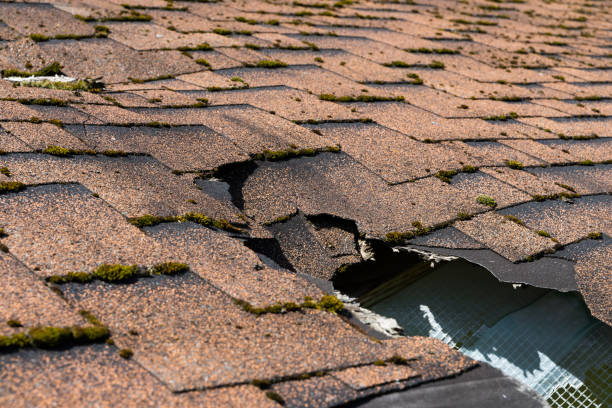
Close up view of asphalt shingles roof damage that needs repair. Close up view of asphalt shingles roof damage that needs repair. roofing stock pictures, royalty-free photos & images

Here’s how you can tell if your roof is leaking and what steps you should take to resolve the issue.

Signs Your Roof May Be Leaking

There are various signs that can indicate a roof leak.

  • Water Stains:Discolored patches or stains on ceilings and walls are often caused by water seeping through the roof.
  • Dripping Water:If water is visibly dripping from the ceiling, it’s a clear indication of a significant leak.
  • Musty Odors:Persistent damp or musty smells in your attic or living areas could be a result of moisture entering through your roof.
  • Peeling Paint or Wallpaper:Excessive moisture from leaks can cause interior paint and wallpaper to blister or peel away.
  • Mold or Mildew Growth:Mold thrives in damp areas, so its presence might signal a hidden roof leak.

Immediate Actions to Take When You Suspect a Roof Leak

  1. Move Belongings Away From the Affected Area:Protect furniture, electronics, and other valuables by relocating them away from dripping water or wet walls.
  2. Contain the Water:Place buckets, tarps, or plastic containers under active leaks to collect water and reduce interior damage.
  3. Inspect Your Attic (If Safe):If it’s safe to do so, check the attic for visible sources of water entry, such as holes in the roofing material or damp insulation.
  4. Document Damage:Take photos of affected areas for insurance purposes before starting any repairs.
  5. Schedule Repairs Quickly:Addressing even small leaks promptly helps prevent further damage like mold growth, rotting wood, or compromised insulation.

Steps for Long-Term Solutions

  1. Patch Small Holes Temporarily: Use roofing tape, tarps, or sealants as short-term solutions while waiting for professional repair services.
  2. Call an Experienced Roofer: A licensed roofer will perform an inspection of the entire roofing system—including shingles, flashing, vents—to identify problem areas thoroughly.
Common Problem Areas Possible Issues Repair Approach
Shingles Cracks/missing Replace damaged shingles
Flashing Rust/leaks Reseal with durable materials
Gutters Clogs/damage Clear debris & repair breaks
  1. Invest in Preventative Maintenance: Schedule regular inspections twice annually (before winter/spring) by professionals who ensure no underlying issues develop over time.

Routine monitoring combined with timely intervention ensures minimal disruption homeowners deal during unexpected emergencies stemming poorly-maintained roofs!

Key Signs Your Home Needs a Roof Installation Manchester NH

Roof leaks can cause significant damage if not addressed in time. Knowing the signs of a potential roof leak inside your home can help you take quick action and potentially save on costly repairs.

Water Stains on Ceilings and Walls

Water stains are one of the most noticeable signs of a roof leak. These often appear as brown or yellowish discolorations on ceilings or walls, particularly after heavy rainfall. The stains may spread over time, indicating that the problem is ongoing.

Peeling Paint or Wallpaper

Excess moisture from a leak can cause paint to bubble, peel, or crack. Wallpaper might also start loosening or curling at the edges as water infiltrates your home’s interior surfaces.

Dripping Water or Puddles

If you notice water dripping from your ceiling or pooling on floors, it’s a clear indication of an active leak. Even small drips should not be ignored, as they can escalate into more severe structural issues if left unaddressed.

Mold and Mildew Growth

Mold thrives in damp environments and is often a result of hidden leaks. Look for mold growth along walls, ceilings, or in corners where water may have accumulated undetected. A musty odor in certain parts of your home could also signal mold caused by excessive moisture from a roof leak.

Sagging Ceilings

A sagging ceiling can indicate that water has saturated the materials above it, such as drywall or insulation. This is not just an aesthetic issue but also a safety concern since excessive water buildup could lead to structural collapse in severe cases.

Essential Steps for Roof Replacements Manchester NH: Identifying Indoor Leaks

  • [ ] Inspect ceilings for discoloration or water rings.
  • [ ] Check for peeling paint or bubbling wallpaper.
  • [ ] Look for visible drips during rainy conditions.
  • [ ] Sniff out musty odors that could indicate mold.
  • [ ] Examine any sagging areas in ceilings.

Table: Key Indicators vs Severity Level

Indicator Severity Action Required
Water stains Moderate Inspect attic and roofing immediately
Peeling paint/wallpaper Mild Monitor; investigate possible sources
Visible dripping Severe Call a professional roofer
Mold/mildew Moderate to Severe Address both moisture source and growth
Sagging ceilings Critical Ensure safety; repair urgently

What to Do Next If You Spot These Signs

  1. Investigate Further– Check your attic for visible leaks, wet insulation, or damaged beams.
  2. Contain the Damage– Use buckets to catch drips and prevent further interior damage until repairs can be made.
  3. Document Everything– Take photos of affected areas so you have evidence when filing an insurance claim.
  4. Consult Professionals– While minor leaks might seem manageable with DIY fixes, persistent problems require expert attention from licensed roofing contractors.

Acting quickly when you notice these internal signs will help minimize damage and keep repair costs under control while ensuring the longevity of your roof system.

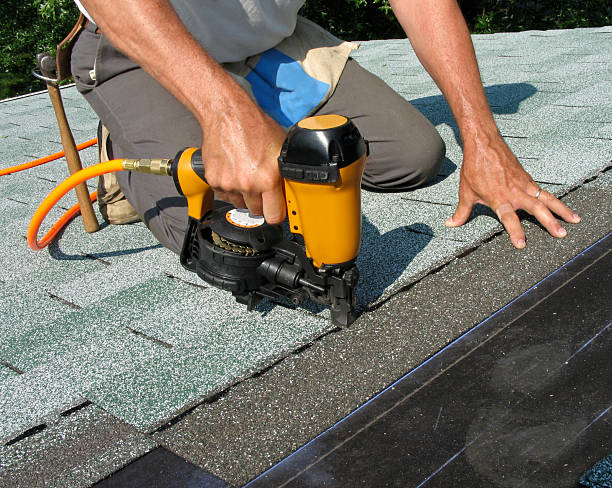
Man using nail gun Man using nail gun to apply asphalt shingles to a roof roofing stock pictures, royalty-free photos & images

What Causes Roof Leaks and How to Address Them Promptly

Understanding the causes of roof leaks and taking immediate action can help mitigate potential problems. Below, we’ll explore the most common reasons for roof leaks and offer solutions to address them effectively.

Common Causes of Roof Leaks

  1. Shingles can crack, curl, or go missing due to severe weather conditions like strong winds or hailstorms.
    Signs: You might notice missing patches on your roof or pieces of shingles in your yard.
    Solution: Replace individually damaged shingles quickly to prevent water infiltration.
  2. Gutters filled with debris such as leaves, dirt, or twigs create blockages that lead to water pooling on the roof’s surface.
    Signs: Overflowing gutters during rainfall and visible debris accumulation.
    Solution: Regularly clean your gutters and consider installing gutter guards for long-term maintenance.
  3. Flashing is used to seal joints and seams around chimneys, skylights, or vents. When it becomes loose, cracked, or corroded, water penetration is likely.
    Signs: Water stains near the chimney or skylight indoors; visible gaps in roof flashing outdoors.
    Solution: Reseal or replace the flashing materials using weather-resistant solutions.
  4. Poor workmanship during roof installation can leave gaps where water seeps through over time—especially around vents and valleys.Signs: Frequent leaks despite no visible damage; irregularities in roofing materials placement.Solution: Consult a professional roofer to assess and correct installation flaws.
  5. Over time, roofing materials degrade due to natural wear-and-tear and exposure to sunlight and moisture.Signs: Brittle shingles, granule loss (evident in gutters), or sagging areas on the roof.Solution: If the materials are nearing their lifespan (e. g. , asphalt shingles last 20-30 years), plan for a replacement.
  6. Ice dams form when melting snow refreezes at the colder edges of your roof, preventing proper drainage.Signs: Icicles forming along eaves; water stains inside walls during winter months.Solution: Improve attic insulation and install proper ventilation systems for better temperature regulation.

Addressing Roof Leaks Promptly

  • Act immediately by covering exposed areas with a tarp if it’s safe to do so. This helps minimize further damage until repairs are made.
  • Inspect from the ground level using binoculars instead of climbing onto your roof unless necessary—safety comes first.
  • Document any damages by taking photos for insurance purposes before proceeding with repairs.

Preventative Measures

  • Schedule regular professional inspections (at least twice yearly) to identify potential vulnerabilities early on.
  • Keep trees trimmed back from your home since overhanging branches can cause abrasion or fall onto the rooftop during storms.
  • Ensure attic ventilation is adequate—it prevents moisture buildup that may weaken roofing structures over time.
Cause Signs Observed Solution Available
Damaged Shingles Missing pieces; cracked surfaces Replace damaged portions quickly
Clogged Gutters Overflowing gutters; visible debris Clean regularly; install gutter guards
Flashing Issues Gaps near joints/seams Reseal/reinstall flashing
Aging Materials Brittle appearance; granule loss Plan for complete material replacement

By understanding these causes and implementing prompt solutions, you can protect your home from extensive damage while extending the life of your roofing system effectively.

What Causes Roof Leaks and How to Address Them Promptly

Understanding the causes of roof leaks and addressing them promptly can save you from costly repairs and prevent long-term damage to your home. Below, we’ll explore the primary causes of roof leaks and provide actionable steps to address them effectively.

Common Causes of Roof Leaks

  1. Shingles act as the first line of defense for your roof.
  2. High winds, heavy rain, hailstorms, or prolonged sun exposure can exacerbate this problem.
  3. Poor workmanship during installation can lead to vulnerabilities in your roof structure. Issues such as inadequate sealing or improper underlayment placement might cause water penetration.
  4. Gutters filled with leaves, debris, and dirt can block the flow of water off your roof.
  5. When water backs up onto your roof’s edge due to clogged gutters, it may seep under shingles and lead to leaks.
  6. Damaged or improperly sealed flashing is a common culprit for leaks in these areas.
  7. Roofing materials deteriorate over time due to exposure to weather elements.
  8. Older roofs are more prone to developing cracks or losing their protective layers.

Steps To Address Roof Leaks

  1. Identify the Source of the Leak
    Start by inspecting both the interior (attic spaces) and exterior (roof surface) for signs of damage such as water stains, mold growth, or missing shingles.
  2. Perform Temporary Fixes
    While waiting for professional help:
  3. Use roofing tape or sealant on small cracks or holes in flashing material.
  4. Tarp any exposed areas with waterproof sheeting during heavy rainfall.
  5. Clear Gutters Regularly
    Address clogged gutters promptly by cleaning out debris at least twice a year:
    | Season | Cleaning Recommendation |
    |————-|————————–|
    | Spring | After tree pollen falls |
    | Late Autumn | After leaves have fallen |
  6. Replace Damaged Materials Quickly
    Replace missing shingles immediately with new ones that match existing materials in terms of type and shape—delaying could make matters worse over time.
  7. Inspect Flashing Areas Frequently

Proper care diligence safeguards homes If unsure anything hire roofing inspectorsroutine maintenance pays dividends saving future costs

How Manchester NH roofing experts can help prevent hidden damage from roof leaks over time

Roof leaks may seem like a minor inconvenience at first, but over time, they can cause significant damage to your home, impacting both its structural integrity and your living environment. Understanding the hidden dangers of roof leaks can help homeowners take proactive measures to protect their property.

Structural Damage

One of the most serious consequences of prolonged roof leaks is structural damage.

  • Roof Decking:Prolonged exposure to moisture can cause the roof decking, typically made of wood or plywood, to rot and lose its strength. This compromises the roof’s stability.
  • Ceilings:Water stains on ceilings are not just cosmetic issues. Over time, saturated ceilings can sag or even collapse if left unaddressed.
  • Walls:Persistent water exposure may lead to peeling paint, warped drywall, or even compromised wall framing.

Mold and Mildew Growth

Moisture from roof leaks creates the perfect breeding ground for mold and mildew growth within your home. These issues are often hidden inside walls, ceilings, and attics before they become visible.

  • Health Hazards:Mold spores in the air can exacerbate respiratory problems such as asthma or allergies for occupants of the home.
  • Material Damage:Mold not only affects air quality but also deteriorates drywall, insulation, and other building materials.

Insulation Issues

Water intrusion into your attic or walls often saturates insulation materials like fiberglass or cellulose. Wet insulation loses its effectiveness in maintaining temperature regulation within your home.

  • Higher energy bills due to increased heating or cooling needs.
  • A less comfortable indoor environment with fluctuating temperatures.
Insulation Type Effect of Water Exposure Outcome on Home Efficiency
Fiberglass Compresses when wet Reduced thermal resistance
Cellulose Absorbs water easily Encourages mold growth
Spray Foam Minimal impact initially May trap moisture

Electrical Hazards

Roof leaks may allow water into electrical wiring systems hidden behind walls or in attics.

  1. Short circuits that could damage appliances or electrical systems.
  2. Increased risk of an electrical fire if water contacts exposed wiring.
  3. Power outages caused by damaged circuits.

Deterioration of Exterior Features

  • Wooden siding may rot over time due to repeated moisture exposure.
  • Foundation issues could arise from continuous water pooling near your home’s base caused by ineffective drainage systems tied to a leaking roof.

Compromised Home Value

  • Potential buyers may be deterred by visible damage during inspections.
  • Costly repairs reduce overall market appeal for selling homeowners.

Addressing roof leaks early is crucial for avoiding long-term complications—both financially and structurally—for your home’s longevity and safety needs.

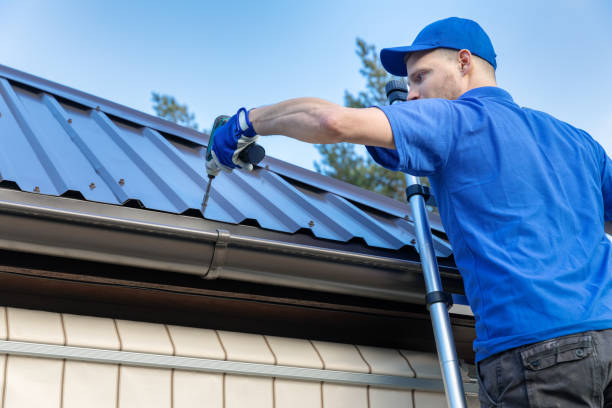
metal roofing - roofer working on the house roof metal roofing - roofer working on the house roof roofing stock pictures, royalty-free photos & images

When to Call a Roofing Contractor Manchester NH for Expert Roof Repair Services

Roof repairs can be daunting, especially when deciding whether to address the issue on your own or seek professional assistance. Knowing when to call a professional roofer is crucial to prevent further damage and ensure long-term safety and durability for your home. Below, we’ll explore scenarios where expert intervention is necessary and why hiring a licensed roofer is often the best choice.

Situations That Warrant Professional Help

  1. If your roof continues to leak after DIY attempts, it’s time to call in an expert.
  2. Large leaks or water penetrating multiple areas usually signal structural issues requiring advanced tools and expertise.
  3. After a major storm, you might notice missing shingles, broken tiles, or dents from hail. These issues often extend beyond surface damage.
  4. A professional roofer can perform an in-depth inspection and repair hidden problems caused by wind or water intrusion.
  5. A sagging roof indicates potential structural issues with the framing or foundation.
  6. Handling this type of repair requires specialized knowledge to prevent further weakening of your home’s structure.
  7. If your roof is nearing the end of its lifespan (typically 20-30 years depending on material), frequent problems may arise.
  8. Professionals can assess whether repairs are sufficient or if a full replacement is required.
  9. Issues such as flashing replacement, chimney re-sealing, or fixing extensive underlayment damage are best left to professionals due to their complexity.
  10. Attempting these tasks without proper training can result in costly mistakes.

Benefits of Hiring a Professional Roofer

Key Benefit Explanation
Expertise & Experience Trained roofers have the skills needed to identify and fix problems efficiently.
Safety Assurance Professionals use proper safety gear and follow industry protocols reducing risks.
Long-Term Solutions Repairs performed by experts last longer and prevent recurring issues.
Warranty Coverage Many roofing companies offer warranties on their work for added peace of mind.

What to Look for in a Professional Roofing Contractor

  • Licensing & Insurance:Ensure the contractor holds valid licenses and comprehensive insurance coverage.
  • Reputation:Look for reviews online, ask for references, or seek recommendations from neighbors.
  • Experience:Select someone who specializes in repairing roofs similar to yours (e. g. , asphalt shingles vs metal roofing).
  • Estimates & Transparency:Obtain written estimates that outline costs clearly before work begins.
  • Warranty Offered:Check if they provide guarantees on both materials used and labor performed.

Timely intervention by professional roofers not only saves money but also protects one of your home’s most important components — its roof. Knowing when it’s time to rely on experts ensures that you address roofing issues promptly and effectively while preserving the integrity of your property over time.


Comprehensive Guide to Choosing the Best Roofing Contractor Manchester NH for Your Home or Business

Roof before and after washing. Dirt and lichen removed with special equipment. State of roof before and after washing with high pressure. Professional is wearing uniform and using equipment for cleaning. roofing stock pictures, royalty-free photos & images

When it comes to protecting your property, the roof is one of the most critical components. Whether you’re replacing an old roof or installing a new one, selecting the right roofing contractor is essential to ensure long-term durability and quality. With so many options available, it can be challenging to identify which contractor will provide reliable service. This guide will help streamline the decision-making process by outlining key factors to consider when choosing roofing professionals.

Understand Your Specific Roofing Requirements

  • Type of Roof: Decide whether you need asphalt shingles, metal roofing, tile roofing, or another material based on your property’s design and environmental conditions.
  • Repair vs. Replacement: Determine if you only need minor repairs or a complete roof replacement.
  • Timeline and Budget: Establish a realistic timeline for project completion and set a budget that accounts for materials, labor, and unexpected expenses.
  • Energy Efficiency Goals: Some homeowners prioritize energy-efficient roofing options like cool roofs or materials designed to improve insulation.

Researching Reliable Roofing Contractors

  1. Reach out to friends, family members, or neighbors who have recently worked with roofers.
  2. Recommendations from trusted sources often lead to reliable options.
  3. Browse reviews on platforms like Google Reviews, Better Business Bureau (BBB), and Yelp.
  4. Check if contractors are listed in local directories or professional organizations such as the National Roofing Contractors Association (NRCA).
  5. A well-maintained website often reflects professionalism.
  6. Look for galleries of past projects and detailed service descriptions.
  7. Avoid settling on the first contractor you find. Gather estimates from at least three companies before making a decision.

Key Questions to Ask Before Hiring

  • How long have you been in business?
  • Are you licensed and insured in this state?
  • Do you have experience working with my specific type of roof?
  • Can I see examples of recent projects similar in scope?
  • What warranties do you offer on materials and labor?

Checklist for Choosing High-Quality Roofers

Requirement Details
License & Insurance Ensure they are properly licensed & carry liability/workers’ comp insurance
Proven Experience Look for at least 5 years of industry experience
Transparent Estimates Verify that quotes include all costs (labor, materials)
References Available Request references from previous clients
Written Contract Ensure terms are clearly outlined in writing

Taking these steps will ensure your project is completed efficiently while protecting your investment.

By focusing on these actionable guidelines during your search for a roofer—whether it’s residential or commercial—you’ll be better equipped to select a professional who delivers quality work tailored specifically to your needs without unnecessary hassle or stress.

Tips and Referrals for Finding Reliable Manchester NH Roofing Professionals

Finding a trustworthy roofing professional is critical to ensuring that your roof repair or replacement project is completed efficiently and meets high-quality standards. With so many contractors in the market, it can be overwhelming to differentiate between reliable professionals and those who might fall short of expectations. Below are actionable strategies and tips to help you identify dependable roofing professionals for your home or business.

Start with Thorough Research

  • Look Online: Explore websites of local roofers. Reputable contractors typically have professional websites showcasing their services, certifications, and portfolio of completed projects.
  • Read Reviews: Review platforms like Google Reviews, Yelp, or the Better Business Bureau (BBB) provide invaluable insights from previous customers. Look for a consistent pattern of positive feedback rather than being swayed by one overly positive or negative review.
  • Check Local Directories: Many communities have directories featuring licensed contractors who have passed a verification process. These lists can streamline your search.

Leverage Referrals

  • Ask Friends or Family: Someone in your network may have recently hired a roofer and can share their experiences—both positive outcomes and potential red flags.
  • Consult Neighbors: If you’ve noticed recent roofing work in your area that looks well-done, consider asking the homeowner about their experience with the contractor.
  • Professional Networks: Reach out to other trusted tradespeople (e.g., electricians or plumbers) who might be familiar with reputable roofers in the industry.

Key Tips for Selecting a Reliable Contractor

  1. Specialization Matters
    Does the contractor specialize in specific types of roofs (e.g., asphalt shingles, metal roofing, flat roofs)? Hiring someone who has expertise in handling projects similar to yours ensures better results.
  2. Prioritize Local Roofers
    Local contractors are more familiar with regional building codes and weather-specific challenges. Additionally, they tend to have an established reputation within the community.
  3. Request Multiple Estimates
    Compare quotes from at least three different roofers—and don’t automatically pick the cheapest option. Instead, focus on value by considering what each quote includes (labor costs, materials used, warranty coverage).
  4. Ask Detailed Questions
    When meeting potential contractors, ask targeted questions such as:
  5. How long have you been operating?
  6. Can you provide references from past clients?
  7. What is your timeline for completing this project?
  8. Verify Insurance Coverage
    Ensure that any contractor you hire has proper liability insurance and worker’s compensation policies in place—this protects both parties in case of accidental damage or injuries during the project.

Comparing Your Options

Criteria Roofer A Roofer B Roofer C
Years of Experience 10+ 5 15+
Certifications Held Yes No Yes
Warranty Offered 10 years None 15 years
Estimated Cost ($) $8,000 $6,500 $9,200
Insurance Verified Yes No Yes

Use tools like this table to compare essential aspects objectively before making a final decision.

Final Thoughts on Finding Roofers You Can Trust

By combining diligent research methods with referrals and clear evaluation criteria outlined above, homeowners and business owners alike can confidently choose roofing professionals capable of delivering excellent results tailored to their unique needs. Remember: investing time upfront into finding a reliable contractor pays dividends by avoiding costly mistakes later on.

Tips and Referrals for Finding a Reliable Roofer Manchester NH

Selecting the right roofing professional is essential for ensuring that your home or business gets the protection it deserves. The process can feel overwhelming with so many options available, but by focusing on research, seeking referrals, and applying proven strategies, you can simplify your decision-making process. Below are actionable steps to help you identify a reliable roofer.

Tips for Successful Roof Installation Manchester NH

The first step in finding a trustworthy roofing contractor is conducting extensive research. This ensures you’re well-informed about the services offered and the reputation of potential candidates.

  • Online Reviews and Ratings: Browse review platforms like Google, Yelp, and Better Business Bureau (BBB) to evaluate customer experiences.
  • Company Website: Review their website for detailed information about their services, experience level, and certifications.
  • Social Media Presence: Check their social media profiles for project photos and customer interactions to gauge professionalism.

Take your time exploring these resources to differentiate between experienced contractors and those who might not deliver satisfactory results.

Ask for Referrals

  • Friends and Family: Reach out to people in your network who have recently completed roofing projects. They can provide insights into both positive experiences and potential red flags.
  • Neighbors: If someone in your area has had work done recently, ask about their contractor’s reliability.
  • Other Professionals: Real estate agents or home inspectors often have connections with reputable roofing companies.

Referrals from trusted sources reduce the risk of hiring an unqualified contractor while giving you firsthand opinions on their performance.

edge of Roof shingles on top of the house, dark asphalt tiles on the roof background. edge of Roof shingles on top of the house, dark asphalt tiles on the roof background. roofing stock pictures, royalty-free photos & images

Essential Tips for Hiring a Roofer

  1. Get Multiple Quotes
    Request quotes from at least three different contractors. Comparing prices helps ensure fair pricing without compromising quality.
  2. Request References
    Ask roofers to provide references from past clients. Speak directly with these clients about their satisfaction levels regarding timelines, workmanship, and cleanup processes.
  3. Verify Insurance Coverage
    Always confirm that the contractor carries liability insurance and worker’s compensation coverage. This protects you from financial liability in case of accidents during the project.
  4. Check Licensing Requirements
    Verify that they hold any licenses required by local or state regulations and ensure they comply with building codes.
  5. Limited communication or hesitation when answering questions
  6. Upfront demands for a large deposit
  7. Lack of physical office location or contact information

Being vigilant during discussions can help avoid scams or subpar contractors.

A Quick Comparison Table

Criteria Questions to Ask Why It Matters
Experience How long have they been in business? Ensures expertise in handling diverse projects
Insurance Coverage Are they fully insured? Protects against liabilities
References Provided Can they share contact details of past clients? Validates quality through previous work
Pricing Transparency Is the quote detailed? Avoids unexpected costs

This table provides clarity when comparing multiple candidates so that you can make an informed choice.

Hiring reliable roofing professionals starts with diligent research paired with input from trusted sources. By combining referrals with proper verification techniques, you’ll find a contractor capable of delivering high-quality results while maintaining integrity throughout the process.

How to Verify Credentials, Certifications, and Experience in the Roofing Industry

When hiring a roofing contractor, one of the most critical steps is verifying their credentials, certifications, and experience. Ensuring that the roofer you choose is qualified and experienced not only protects your investment but also ensures a successful roofing project. Below is a detailed guide to help you evaluate these essential aspects effectively.

Key Credentials to Check

  • Licensing:
    Verify whether the contractor holds a valid license for roofing services in your state or region. Licensing requirements vary across locations, so check with your local licensing board for specifics.
  • Insurance Coverage:
    Request proof of insurance, including both liability insurance and workers’ compensation coverage. This protects you from financial liability in case of property damage or worker injuries during the project.
  • Certifications:
    Many reputable manufacturers offer certifications to contractors who meet high standards for installation practices. Look for designations such as “Master Elite” from GAF or “Preferred Contractor” from Owens Corning.

Assessing Industry Experience

  • Years in Business:
    Look for contractors with at least five years of experience in the industry.
  • Specialization:
    Ask whether they specialize in specific types of roofs (e.g., shingle, metal, flat roofing). A specialist often delivers better results than a generalist.

Questions to Ask About Experience

When speaking with potential roofers, consider asking these questions: 1. How long have you been operating under this business name?
2. Can you provide references or examples of past projects?
3. Have you worked on similar roof types or materials before?

Red Flags When Verifying Credentials

While doing your due diligence, be on the lookout for warning signs that could indicate an unreliable roofer: – Lack of verifiable licensing or insurance. – Refusal to provide references. – Inconsistent information about their certifications or experience. – Pressure tactics urging immediate decisions without proper documentation.

Using Online Resources and Reviews

Online tools can enhance your evaluation process: 1. Check Reviews on Trusted Platforms: Sites like Google Reviews, Better Business Bureau (BBB), and Angi can offer insights into customer experiences with the contractor. 2. Verify Licenses Online: Most states provide online portals where you can search contractors’ licenses by name or business number. 3. Manufacturer Websites: Check if certain certifications are valid by visiting manufacturer websites and searching for approved contractors.

Credential Type Why It Matters How To Verify
License Ensures compliance with local laws Check state licensing board
Insurance Protects against liabilities Request certificate directly
Manufacturer Certification Proof of specialized training Confirm via manufacturer website

By verifying credentials, certifications, and experience comprehensively before signing any agreement with a roofing contractor, homeowners and business owners alike can feel confident about their choice while minimizing risks associated with poor workmanship or scams.

Evaluating Warranties, Contracts, and Payment Terms with Roofing Contractors

When hiring a roofing contractor, evaluating warranties, contracts, and payment terms is crucial to ensure you receive quality work and avoid potential disputes. These elements provide clarity and security for both the homeowner or business owner and the contractor. Below is a breakdown of what to consider.

Understanding Roofing Warranties

  1. Covers defects in roofing materials.
  2. Offers protection against premature failure of shingles or other materials.
  3. Length of coverage typically ranges from 20 years to lifetime, depending on the product.
  4. Covers errors made during installation.
  5. Provided by the contractor rather than the manufacturer.
  6. Coverage periods vary but generally range from 1 to 10 years.

When evaluating warranties: – Ensure they are provided in writing. – Ask about exclusions or conditions that could void coverage (e.g., improper maintenance). – Confirm whether both material defects and labor are covered.

Key Elements to Include in Roofing Contracts

  • Scope of Work: Detailed description of all tasks involved, such as roof removal, repairs, installation, cleanup, etc.
  • Materials Used: List specific brands and product types (e.g., asphalt shingles vs. metal roofing).
  • Timeline: Include estimated start and completion dates.
  • Costs and Payment Schedule: Summarize costs for labor, materials, permits, etc., along with deadlines for payments.
  • Insurance Coverage: Verify that liability insurance and worker’s compensation are included in case of accidents or damages during the project.

Before signing any document: – Read through every section carefully. – Ask questions if details seem unclear or incomplete. – Avoid contractors who avoid providing written agreements.

Tips for Evaluating Payment Terms

  1. A reasonable deposit usually ranges between 10%–30% of the total cost.
  2. Break down payments into stages (e.g., after material delivery or halfway through installation).
  3. Pay via check or credit card rather than cash to maintain records.
  4. Withhold a portion (commonly 10%) until you conduct a final inspection and approve the completed work.
Payment Term Best Practice
Deposit 10–30% upfront
Milestone Payments Based on project phases
Final Payment Withheld until approval
Payment Method Check or credit card preferred

Questions to Ask When Reviewing Terms

Before committing to a warranty agreement or contract: – What happens if delays occur due to weather? – Are there penalties for missed deadlines? – Who handles post-project cleanup? – Are repair services included under warranty?

By carefully evaluating warranties, contracts, and payment terms beforehand, you safeguard yourself against unexpected expenses while ensuring that your roof is built to last for years to come. Taking time upfront can save you significant time and money later down the road when working with roofing professionals.

roofers installing new roof on house roofers installing a new roof on residential home. weatherlock material and brown asphalt roofing shingles roofing stock pictures, royalty-free photos & images

The Importance of Inspecting Previous Work When Hiring a Roofer

When hiring a roofing contractor, inspecting their past work is one of the most critical steps in determining their reliability, craftsmanship, and expertise. A roofer’s portfolio or examples of previous jobs can provide you with invaluable insights into the quality of their workmanship, their professionalism, and whether they are the right fit for your project.

Why Inspecting Previous Work Matters

  1. Quality Assessment
    Examining a roofer’s prior projects allows you to gauge the quality of materials used and the precision in execution. Poorly installed roofs can lead to long-term issues like leaks, reduced energy efficiency, and structural damage.
  2. Style Matching
    Different roofers may specialize in particular styles or types of roofing systems such as asphalt shingles, metal roofs, or flat roofing systems. Reviewing their previous work ensures that their expertise aligns with your needs.
  3. Reliability and Consistency
    By looking at multiple completed projects rather than just one or two photos, you can identify patterns that demonstrate consistent results.

How to Inspect Previous Work Effectively

  • Request a Portfolio: Ask the roofing contractor for photographs or videos showcasing completed projects. Focus on projects similar to your roof type (residential vs. commercial) or material preference.
  • Whenever possible, visit properties where they have recently completed work.
  • Speak to the property owners about their experience with the roofer.
  • Check for visible signs of good workmanship such as straight lines at edges, proper flashing around vents/chimneys, and clean finishes.
  • Use Online Reviews: Platforms like Google Reviews or Better Business Bureau often feature photos uploaded by past clients along with detailed feedback regarding workmanship.
  • Request contact details for past clients who had similar projects.
  • Ask those references questions such as:
    • Were you satisfied with the overall quality?
    • Did they complete the project on time?
    • Was there proper communication throughout?

Key Red Flags to Look Out For

Red Flag Explanation
Lack of Portfolio If a contractor cannot provide evidence of previous work, it may indicate limited experience or subpar results.
Poor Finish Uneven shingles, improperly sealed edges, or messy application could signal low-quality craftsmanship.
Negative Testimonials Numerous complaints about similar issues (e.g., delays or poor communication) could indicate recurring problems with service quality.

Benefits of Partnering With Transparent Contractors

Roofers who take pride in their craftsmanship will gladly showcase their previous projects and encourage inspections from potential clients. They understand that transparency builds trust and ensures satisfaction throughout both residential and commercial roofing processes.

By taking time to thoroughly inspect previous work before committing to any contractor agreement, you’ll position yourself for better outcomes—both aesthetically and structurally—for years ahead.

Prioritizing Safety and Transparency While Avoiding Common Scams in the Roofing Process

When hiring a roofing contractor, ensuring safety and transparency throughout the process is paramount. Additionally, being aware of common scams and red flags can save you from potential financial losses and subpar workmanship. Below are essential ways to prioritize safety, foster transparency, and avoid falling victim to unethical practices in the roofing industry.

Emphasize Safety on the Job Site

  • Proper Licensing and Insurance: Always verify that your contractor holds valid licenses for roofing work in your region. They should also carry liability insurance and workers’ compensation coverage to protect you from potential accidents or damages on your property.
  • Adherence to OSHA Standards: Ensure the contractor adheres to Occupational Safety and Health Administration (OSHA) guidelines, such as wearing personal protective equipment (PPE) like helmets, harnesses, and slip-resistant boots during the project.
  • Regular Safety Training: Ask if their team receives regular training on safe roofing practices, including how to minimize hazards like falls or injuries from heavy equipment.
  • Clear Communication of Risks: A professional roofer will take time to explain potential job-site risks ahead of time while implementing strategies that protect both your household occupants and their team members.

Foster Transparency Through Open Communication

  • Obtain Written Estimates: Reputable roofers will provide a clear written estimate that includes labor costs, materials needed, timelines for completion, warranties offered, and any additional charges that may arise during the project.
  • Ask Questions About Materials: Make sure they offer options for high-quality materials suited for your roof’s specific needs. Don’t hesitate to ask about brand names or manufacturers they work with.
  • Track Progress Regularly: During the project timeline, request updates or reports on progress so both parties maintain a mutual understanding of expectations.

Recognize Common Roofing Scams

  1. Storm Chasers: These contractors appear immediately after storms or natural disasters offering quick repairs at suspiciously low prices but often deliver subpar work—or disappear entirely after receiving payment.
  2. Upfront Payment Demands: Be wary of contractors who demand full payment before starting any work; reputable roofers typically accept payments only upon milestones being met or upon project completion.
  3. Unnecessary Repairs: Some dishonest professionals may claim there’s extensive damage requiring immediate attention even if no issue exists.
  4. No Written Contract: Never proceed without a signed contract clearly outlining all services agreed upon; verbal agreements leave too much room for miscommunication.
Scam Type Warning Sign How To Avoid
Storm Chasers Unlicensed door-to-door offers Verify licensing & check reviews
Upfront Demands Requesting 100% payment before starting Offer partial payments tied to milestones
Unnecessary Work Claiming invisible/internal damage requiring fixes Get a second opinion
No Contracts Refusing formal agreement documentation Insist on detailed written contracts

Protect Yourself by Choosing Ethical Professionals

  • Check online reviews through trusted platforms like Better Business Bureau (BBB), Google Reviews, or Angie’s List.
  • Ask for references from previous successful projects similar in scope or size.
  • Request proof of liability insurance before committing.


How to Choose the Best Roofer Manchester NH for Your Project

Closeup of worker hands installing yellow ceramic roofing tiles mounted on wooden boards covering residential building roof under construction. Closeup of worker hands installing yellow ceramic roofing tiles mounted on wooden boards covering residential building roof under construction. roofing stock pictures, royalty-free photos & images

Selecting the right roofing contractor is a crucial step when undertaking any roofing project. A well-chosen contractor not only ensures quality workmanship but can also save you time, money, and future headaches. Here’s a detailed guide to help you make an informed decision.

Expert Tips for Roof Installation Manchester NH Residents Can Trust

Start by gathering information about potential contractors.
Online searches: Look for local roofing contractors with good reviews and high ratings on platforms like Google, Yelp, or Better Business Bureau (BBB).
Referrals: Ask friends, family members, or colleagues for recommendations based on their experience. Word-of-mouth referrals are often more reliable than online reviews.

Verify Credentials for Roof Replacements Manchester NH

Before hiring a roofer, ensure they have the necessary qualifications to handle your project.
LicensingThis verifies they meet industry standards and legal requirements.
Insurance
Certifications: Look for certifications from manufacturers like GAF, CertainTeed, or Owens Corning that indicate specialized training and expertise in installing specific roofing systems.

Assess Experience and Expertise

Experience is critical when choosing a roofer.
Years in businessSpecialization: Some roofers specialize in particular materials (e. g. , asphalt shingles, metal roofs) or types of projects (e. g. , residential vs commercial). Choose one whose expertise aligns with your needs.Portfolio of work: Request examples of past projects to evaluate their workmanship.

Request Multiple Quotes

Obtain quotes from at least three different contractors before making your decision. When reviewing quotes: – Compare pricing but don’t automatically choose the lowest bid. – Review what’s included in the quote—materials, labor costs, warranties—and look for any hidden fees. – Ask questions if anything seems unclear.

Contractor Name Years Experience Warranty Offered Estimated Cost Certifications
Roofer A 10+ 20 years $8,000 GAF Certified
Roofer B 5 15 years $7,500 Owens Corning
Roofer C 12 Lifetime $9,200 CertainTeed

Evaluate Communication and Professionalism

A good contractor should communicate effectively throughout the process. Pay attention to their behavior during initial interactions: – Did they respond promptly to your inquiry?
– Did they provide clear answers to your questions?
– Were they courteous and professional?

Check References and Reviews

Ask each contractor for references from recent clients and follow up by contacting them directly. Questions to ask references include: – Was the project completed on time? – Were you satisfied with the quality of work? – Were there any unexpected costs or challenges?

Additionally, read online reviews but focus on patterns rather than isolated comments.

Understand Warranties

Manufacturer’s Warranty– Covers defects in materials used. 2.Workmanship Warranty– Protects against errors made during installation.

Ensure warranty terms are clearly stated in writing within your contract.

By following these steps carefully, you’ll be better equipped to choose a skilled roofing contractor who will deliver excellent results tailored to your specific needs while ensuring peace of mind throughout the process.

Finding Skilled and Reliable Manchester NH Roofing Professionals for Your Needs

When it comes to hiring a roofer, selecting a skilled and reliable professional is essential for ensuring the longevity, durability, and quality of your roof. A poorly executed roofing job can lead to costly repairs, safety hazards, and structural damage.

Research and Referrals

  • Begin by researching local roofing contractors in your area.
  • Ask friends, family, or neighbors for recommendations based on their personal experiences.
  • Check online reviews and ratings on trusted platforms like Google Reviews or Better Business Bureau (BBB).

Referrals often provide first-hand insights into the professionalism, reliability, and quality of work delivered by a contractor.

Verify Credentials

Before hiring a roofer:
1. Ensure they are licensed to operate in your state or region.
2. Verify insurance coverage: A reputable roofer will carry both liability insurance (to protect your property) and workers’ compensation insurance (to cover their employees).
3. Check certifications: Membership in industry associations such as the National Roofing Contractors Association (NRCA) or manufacturer-specific certifications demonstrates commitment to industry standards.

Request Detailed Estimates

A professional roofer should provide you with a detailed written estimate that outlines:
– Scope of work – Types of materials (including brand names) – Estimated labor costs – Project timeline – Warranty details

Having this information ensures transparency and helps avoid unexpected costs later on.

Key Element Why It’s Important
Licensing Confirms legal compliance
Insurance Coverage Protects you from liabilities
Certifications Indicates expertise in specific roofing systems
Written Estimates Provides clarity about costs & scope of work

Ask About Experience

Choose a roofing contractor with significant experience handling projects similar to yours. Whether it’s repairing leaks on asphalt shingles or installing metal panels on residential properties, specialized experience ensures better results. Ask for examples of past projects or photos showcasing their workmanship.

Communication is Key

Strong communication is vital when working with any contractor. Look for roofers who are prompt in responding to inquiries, provide clear answers to questions, and keep you updated throughout the process.

Some questions you should ask include: – What are the timelines for completing my project? – Will there be subcontractors involved? If so, who oversees their work? – How do you handle unexpected challenges during a project?

Red Flags to Avoid

When hiring a roofer, be cautious about these warning signs: – Contractors requesting full payment upfront. – Lack of proper documentation or refusal to share licensing/insurance proof. – Unusually low bids that may indicate subpar materials or rushed labor.

By carefully evaluating these aspects and following best practices when hiring roofers, you’ll minimize risks while ensuring your roofing project is completed efficiently by reliable professionals prepared to stand behind their work long-term.

Understanding Insurance Backed Roof Guarantees and Why They Matter

When investing in a roofing project, whether it’s a minor repair or a full replacement, understanding the details of insurance-backed guarantees is crucial. These guarantees provide homeowners with an added layer of protection and peace of mind, ensuring that their investment is safeguarded against potential issues. Below, we break down what insurance-backed roof guarantees are, why they matter, and how they can benefit you.

What Are Insurance-Backed Roof Guarantees?

An insurance-backed roof guarantee is a form of warranty provided by roofing contractors that is underwritten by an independent insurance provider. This guarantee ensures the work performed on your roof is covered even if the contractor ceases trading or goes out of business before the warranty period ends.

Unlike standard warranties issued directly by contractors, insurance-backed guarantees remain valid regardless of the contractor’s business circumstances. Typically, these policies cover workmanship and materials for a specified period—often between 10 to 25 years.

Key Features:
Transferability:These guarantees are often transferable to new owners if you sell your property.Comprehensive Coverage:They protect against defects in materials or poor workmanship after the completion of your project.Independent Protection:Backed by an insurer rather than relying solely on the contractor’s financial standing.

Why They Matter for Homeowners

  1. Peace of Mind
    With an insurance-backed guarantee in place, you won’t need to worry about unexpected repairs or financial loss due to subpar work or defective materials. Even if your contractor closes their business unexpectedly, your policy ensures that any valid claims will still be honored.
  2. Long-Term Security
    Roofing projects are significant investments meant to last for decades. Ensuring long-term protection through such guarantees helps you avoid costly repairs down the line.
  3. Enhanced Trustworthiness
    Contractors offering insurance-backed guarantees are often more reputable because this type of coverage requires them to meet stringent qualifications set by insurers.
  4. Adds Property Value
    For those looking to sell their property in the future, having an active roof guarantee backed by insurance adds credibility and reassures prospective buyers about the quality of work performed on your home.

What Do Insurance-Backed Guarantees Typically Cover?

Coverage Area Details
Workmanship Defects Errors made during installation or repair processes
Material Failures Issues with roofing materials like shingles or tiles
Structural Integrity Damage affecting overall roof functionality

Exclusions may apply for improper maintenance or external factors such as extreme weather damage unless explicitly stated within the terms.

How to Verify Your Guarantee

  • Request documentation directly from both your contractor and their associated insurer.
  • Confirm that the policy number provided aligns with records held by the insurer.
  • Check for specific terms regarding transferability if you plan on selling your home in the future.
  • Review exclusions carefully so you’re fully aware of what isn’t covered under the agreement.

Questions You Should Ask Your Roofer About Their Guarantee

  1. What exactly does this guarantee cover?
  2. Is it transferable to future homeowners?
  3. How long does it remain valid?
  4. Are there maintenance requirements I must follow to keep it active?
  5. Who do I contact in case I need to make a claim?

By asking these questions upfront, you’ll be better informed about your coverage options and can confidently proceed with any roofing project knowing you’re protected under all circumstances.

Understanding and investing in an insurance-backed roof guarantee not only protects your financial investment but also demonstrates a commitment to quality craftsmanship and durability for years to come.

Bad Shingles and Roof Issues Damaged roof with bad shingles roofing stock pictures, royalty-free photos & images

Understanding Insurance Backed Roof Guarantees and Why They Matter

When investing in a new roof or significant roof repairs, ensuring long-term protection is crucial. One way to achieve this is through insurance-backed roof guarantees. These guarantees not only provide peace of mind but also serve as a testament to the quality and reliability of both the materials used and the workmanship provided. Here’s what you need to know about insurance-backed roof guarantees and why they matter for homeowners.

What Is an Insurance-Backed Roof Guarantee?

An insurance-backed roof guarantee is a type of warranty that ensures your roofing investment is protected, even if the contractor who completed the work goes out of business or shuts down.

Key components include:
Duration:Typically lasts between 10-25 years, depending on the provider and type of work completed.
Coverage:Includes defects in materials, poor installation practices, or failure to meet industry standards.
Transferability:Many guarantees can be transferred to new homeowners if you sell your property within the warranty period.

This extra layer of protection helps homeowners feel secure about their roofing project even after years have passed since its completion.

Benefits of Having an Insurance-Backed Roofing Guarantee

  1. An insurance-backed guarantee provides reassurance that you won’t face unexpected costs should issues arise with your roof after installation or repair.
  2. It ensures that your investment remains protected regardless of unforeseen circumstances like contractor insolvency.
  3. Roofers who offer these warranties demonstrate their commitment to quality work.
  4. These contractors often adhere to stricter industry standards, making them more trustworthy.
  5. A transferable guarantee enhances the resale value of your home since potential buyers know they’re covered in case there are roofing issues after purchase.
  6. If your contractor goes out of business during your warranty period, you’re still covered for necessary repairs through the insurer’s policy.
  7. In some regions, these warranties may satisfy certain building code requirements or act as additional documentation during inspections.

How It Differs from Standard Roofing Warranties

Features Standard Roofing Warranty Insurance-Backed Guarantee
Coverage Provider Offered directly by contractor Backed by third-party insurer
Validity if Contractor Shuts Down Ceases immediately Remains valid
Transferability May not always be transferable Often transferable
Length Generally shorter (e.g., 5–10 years) Longer periods (e.g., 10–25 years)

Questions to Ask About Insurance-Backed Guarantees

  • How long does the guarantee last?
  • What specific aspects are covered under the policy (materials vs. labor)?
  • Is there any deductible I’d need to pay for claims?
  • Is it fully transferable if I sell my property?
  • Which insurer provides backing for this guarantee?

These questions can help ensure you understand exactly what you’re agreeing to before finalizing any contracts with roofing professionals.

Insurance-backed roof guarantees are an invaluable tool for protecting your financial investment while providing long-term security against unforeseen problems. By choosing a roofing contractor who offers this added layer of protection, homeowners can rest assured knowing their roofs will stand strong over time without unnecessary financial burdens arising unexpectedly.

Key Qualities to Look For in a Professional Roofing Contractor Manchester NH

Choosing the right roofer is crucial for ensuring the longevity and quality of your roofing project. A roof is one of the most critical elements of your home or building, protecting it from external elements and maintaining structural integrity. Below, we outline key qualities that indicate a trusted roofing professional.

A reliable roofer will carry all the necessary licenses and certifications required by local authorities. This ensures they comply with industry regulations and building codes.
Proof of Licensing: Verify their license matches your state or region’s requirements.
Specialized Certifications: Look for certifications from reputable manufacturers (such as GAF or Owens Corning) that demonstrate expertise in installing specific roofing materials.


Liability Insurance: Covers damage to your property caused by the contractor during the job.
Workers’ Compensation: Ensures you are not held financially responsible if a worker is injured on your property.

Always request proof of insurance before signing any agreements.

Trustworthy roofing contractors typically have a solid reputation built on their experience, reliability, and quality work over time.
– Online reviews on platforms like Google, Yelp, or Better Business Bureau (BBB).
– Local references—ask for contact details of previous clients who can vouch for their work quality and professionalism.
– Longevity of service—contractors with years of experience often indicate stability and trustworthiness in the industry.

Trusted roofers will provide clear and detailed written estimates before starting any work, helping you understand exactly what you’re paying for.

Avoid contractors who pressure you into agreements without explaining costs thoroughly.

Clear communication throughout every stage of the project is essential to avoid misunderstandings about timelines, materials, or expectations. A professional roofer should: – Respond promptly to phone calls or emails. – Explain technical details in simple language. – Provide regular updates on project progress.

A dependable roofer stands behind their work by offering comprehensive workmanship warranties alongside product guarantees provided by material manufacturers. This demonstrates confidence in their expertise while giving homeowners peace of mind against potential issues post-installation.

Before finalizing your decision, confirm both warranty terms and processes for making claims if needed later.

By focusing on these key qualities when evaluating potential roofing contractors, you can ensure your investment is protected while receiving exceptional service tailored to your needs.